


is the point
Can it be mixed, reimagined, and worn each time differently?
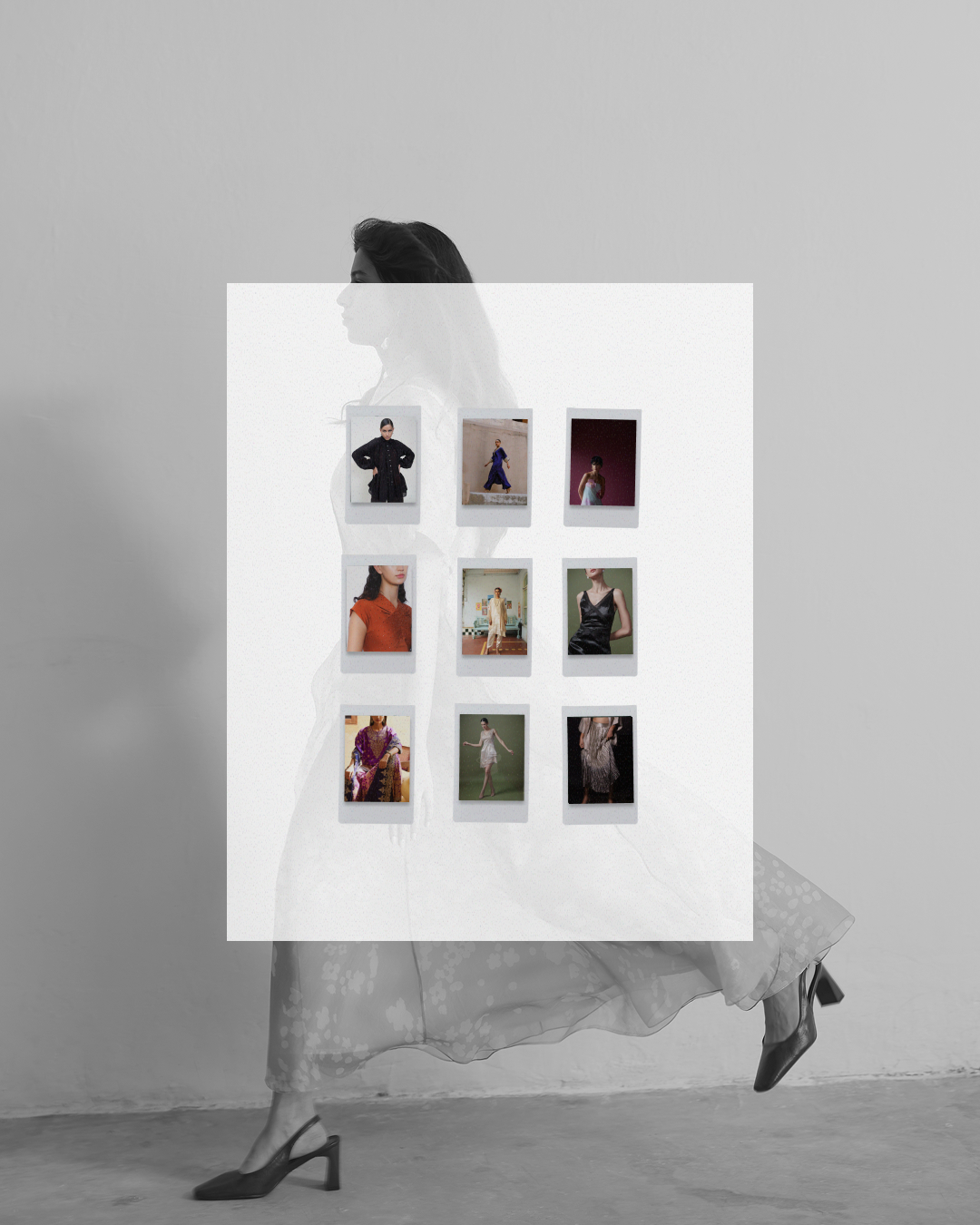
There are two ways to get dressed. The first is to buy the look exactly as it was intended — the matching set, the complete runway story. The second is to pull things together that were never meant to meet.
A hand-embroidered kurta with wide-leg trousers. A structured blazer over a soft floral skirt. Something festive with something everyday. Something borrowed from one mood, something borrowed from another.
Unsurprisingly, we are partial to the second approach.
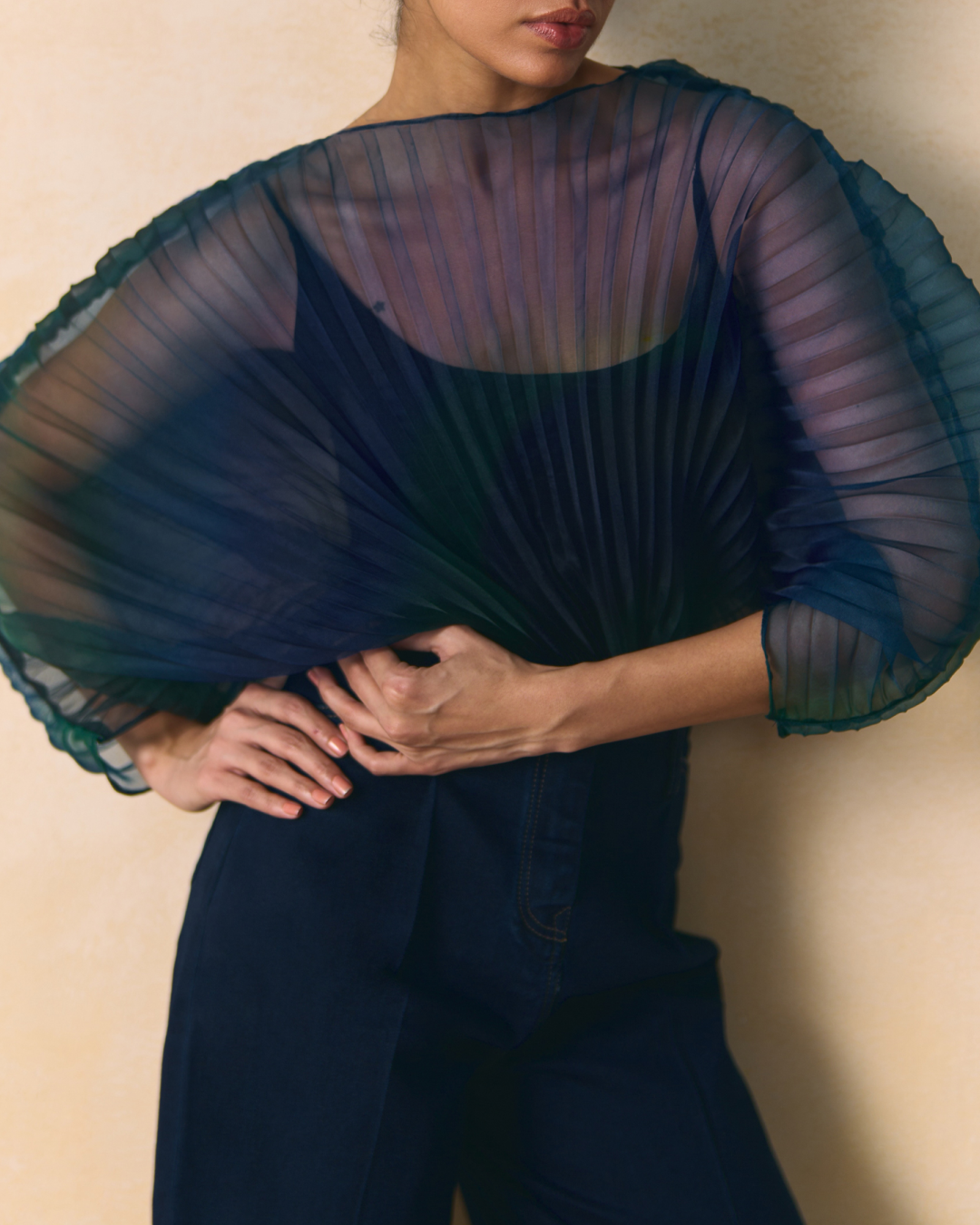
Every week, across our stores in Calcutta and Kala Ghoda, we watch women try on things that were never designed to go together. Sometimes it happens deliberately. More often, it happens by accident.
Those moments are usually where the magic is — because the outfits people remember rarely arrive fully formed. They are the result of curiosity. Of wandering.
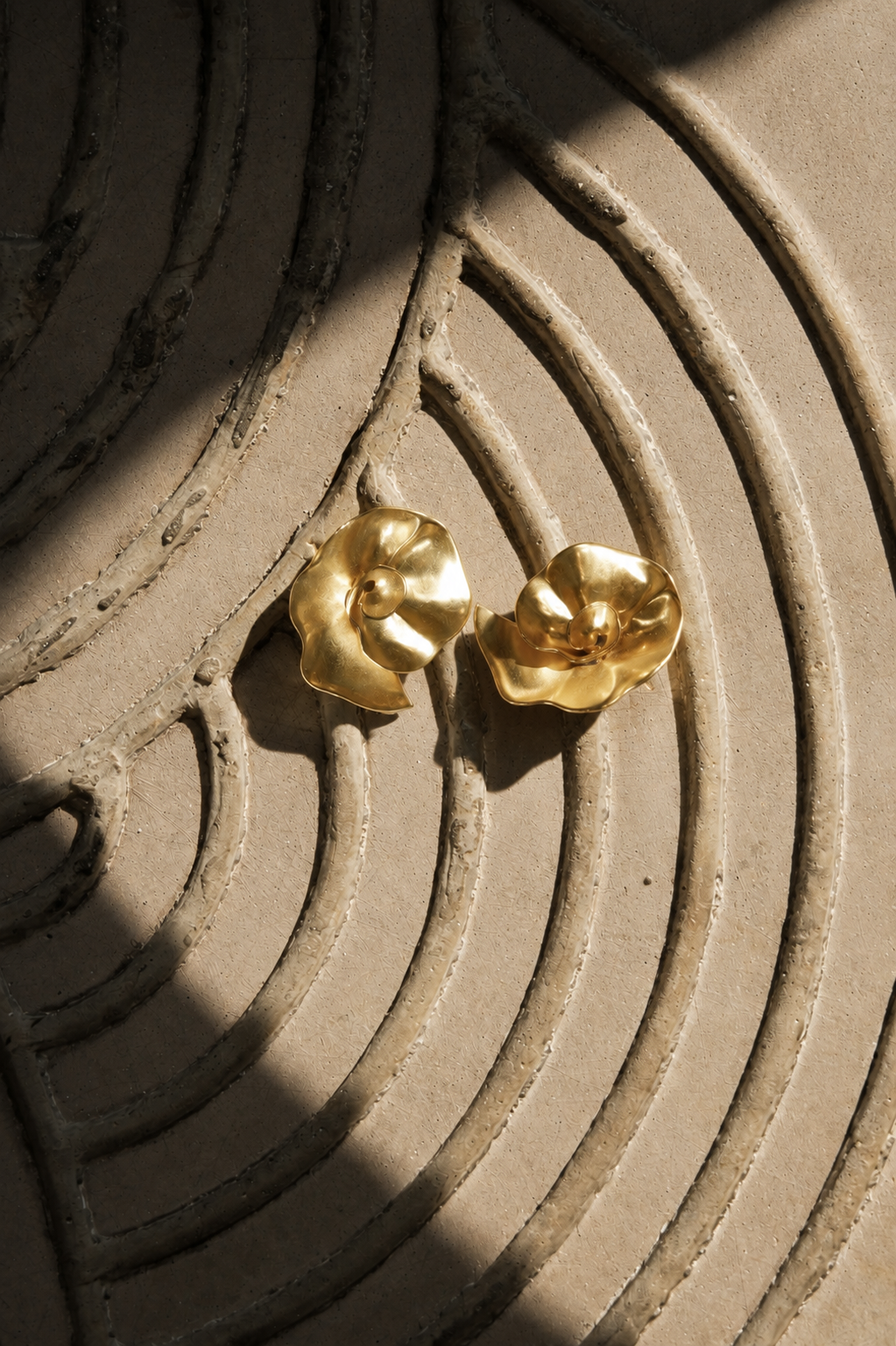
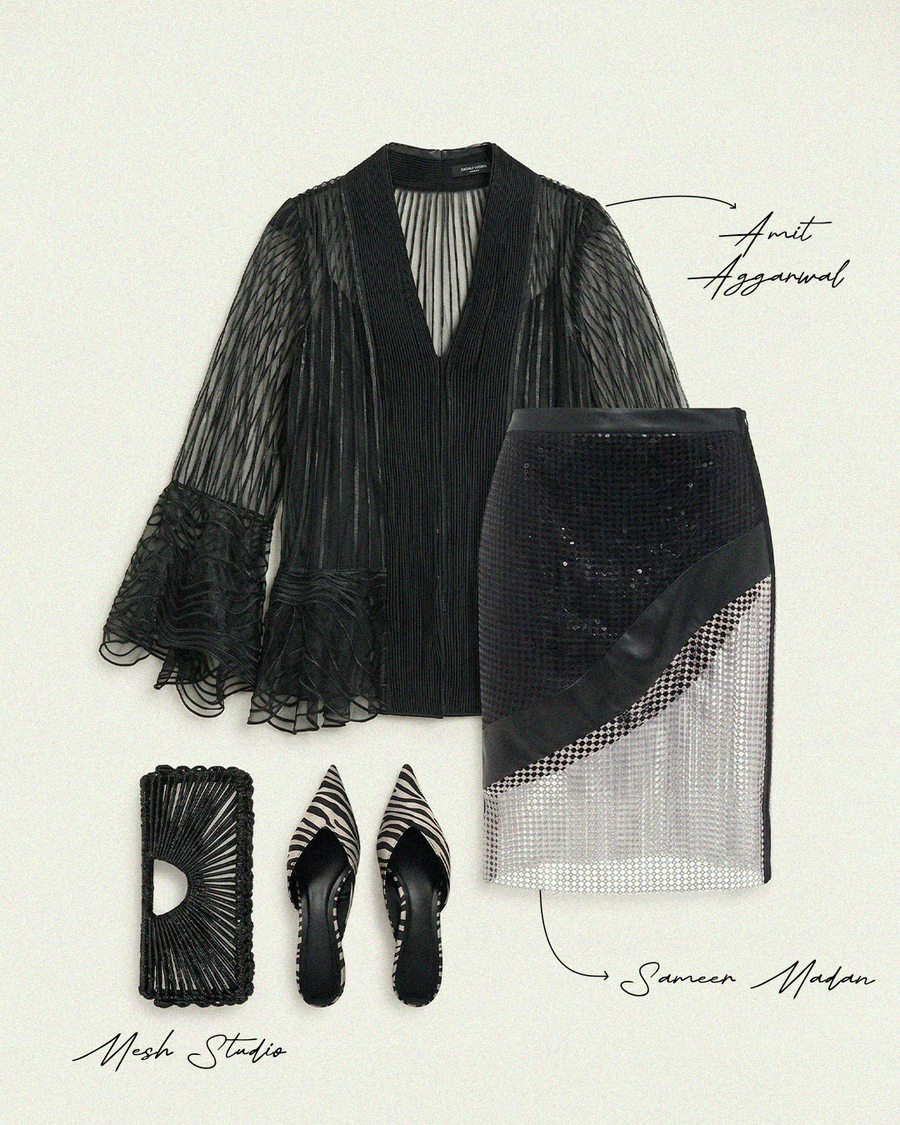
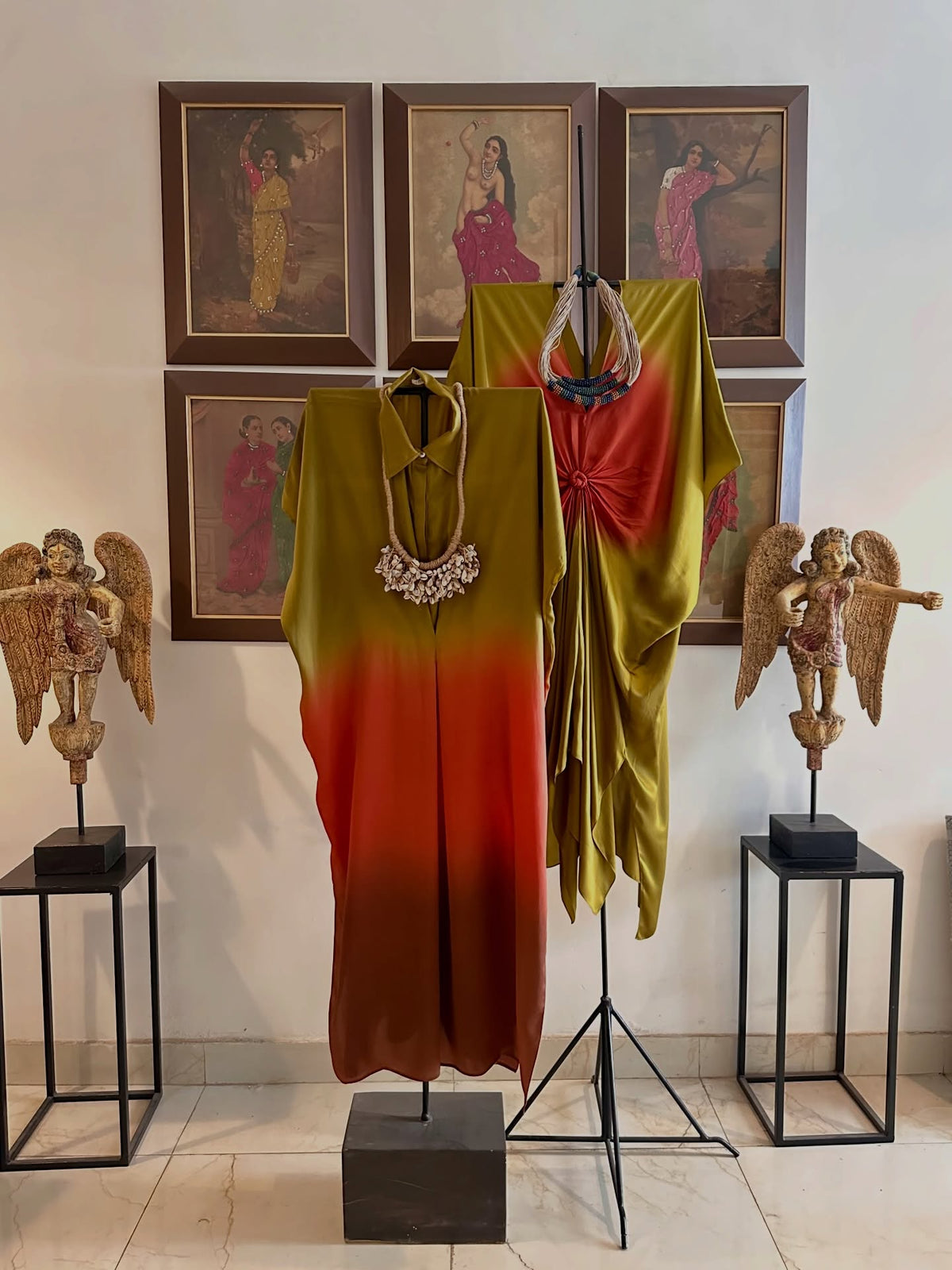
The rise of the co-ord set makes perfect sense. The proportions work, the colours align, the styling is done before you have even opened your wardrobe. And sometimes, that is exactly what you need.
We are not against it. Some of our favourite pieces arrive as a pair — when a designer has thought carefully about colour, print and proportion, the result can feel complete in the best possible way.
Matching is a styling solution, not a styling philosophy.
The moment every piece in your wardrobe only works with the piece it arrived with, getting dressed starts to feel less like self-expression and more like following instructions.
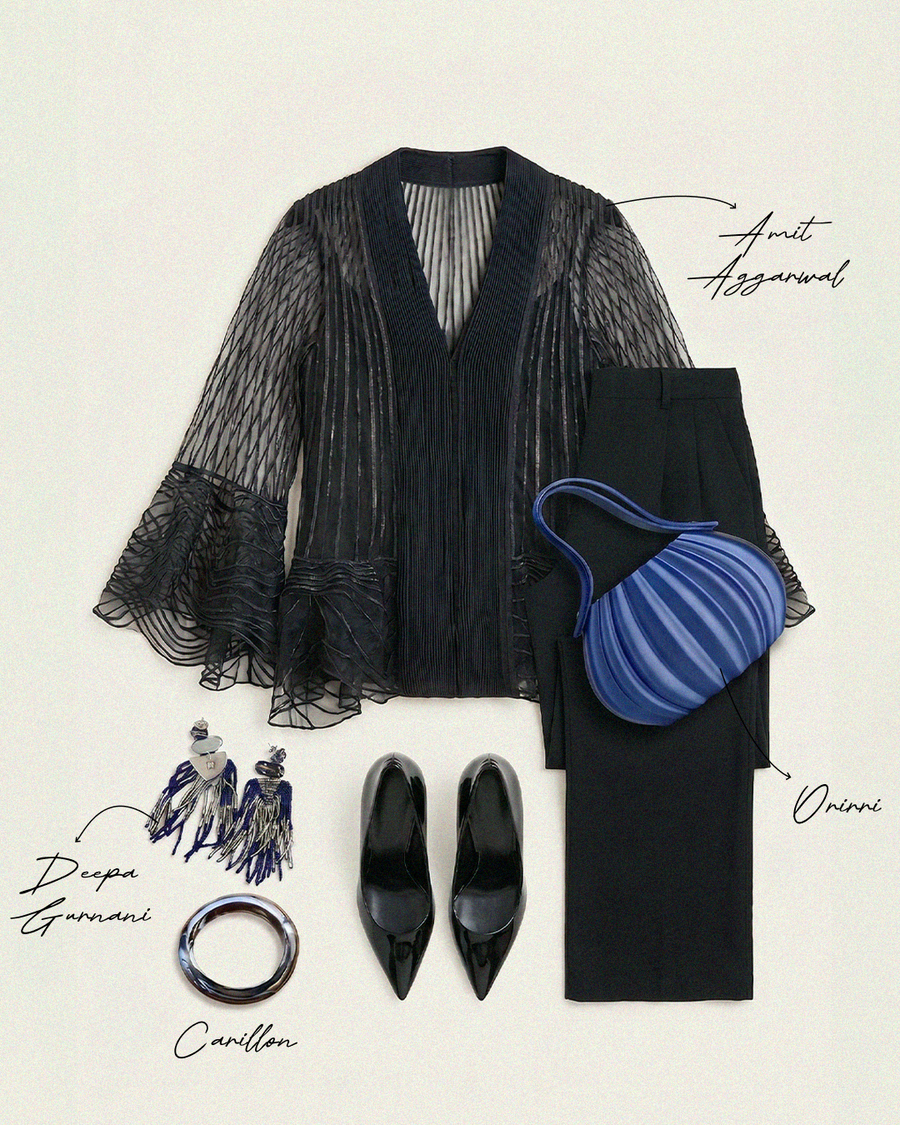
The women whose style we admire most approach clothing differently. They collect pieces over time. They mix designers. They wear something unexpected with something familiar — and that is where things get interesting.
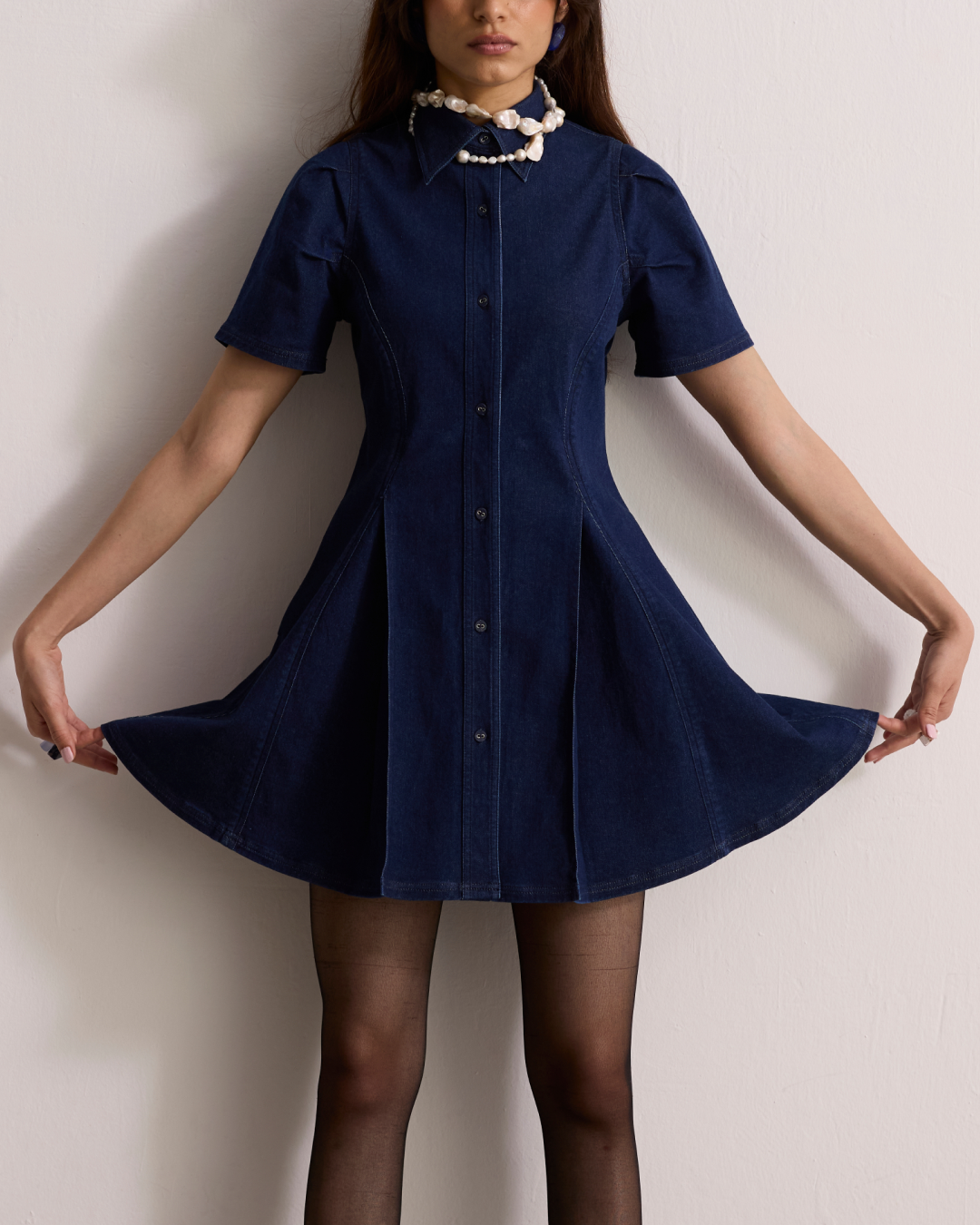
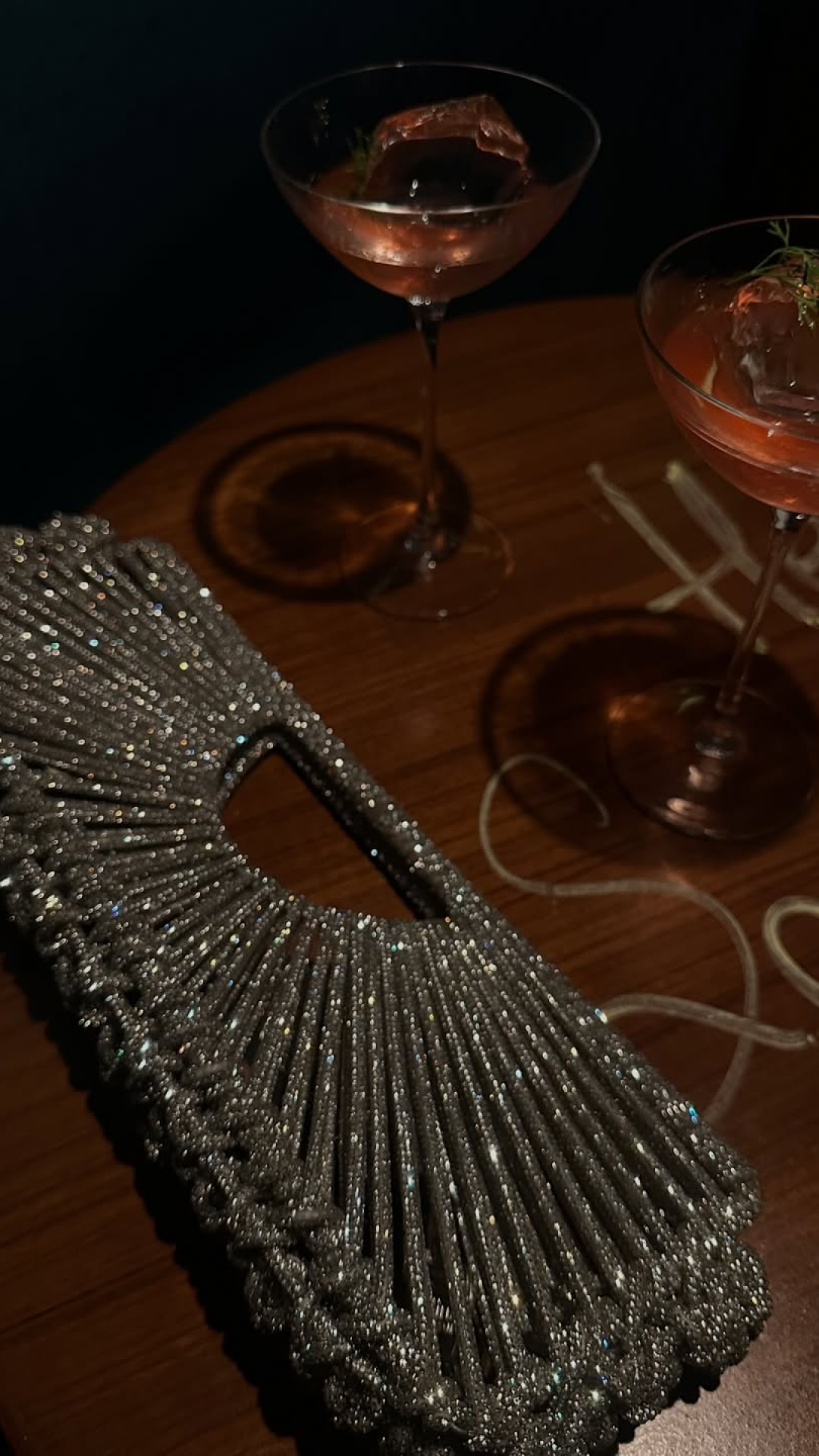
We are living through an era of endless choice. You can discover a designer on Instagram, shop directly from a website, save ten things to a wishlist and forget all of them by the next morning.
And yet, one reason multi-designer stores continue to matter is that discovery rarely happens through filters. It happens through conversation — when someone hands you a jacket you would not have picked for yourself, and something you have seen online suddenly makes sense once it is standing next to something entirely different.
There is nothing wrong with that. But a wardrobe has different needs than a brand does. A wardrobe needs range. It needs contradiction. It needs pieces that can move between occasions, moods and different versions of yourself.
That is one of the reasons Bombaim exists. Since 2009, we have brought together contemporary Indian designers, independent labels and emerging voices under one roof — not because we think they should all look alike, but because the most interesting wardrobes are built from many different perspectives.
The current edit is available at Bombaim Calcutta, Bombaim Kala Ghoda and on bombaim.in. If you are looking to build a wardrobe rather than buy an outfit, we would love to help you find the mix.
explore the edit